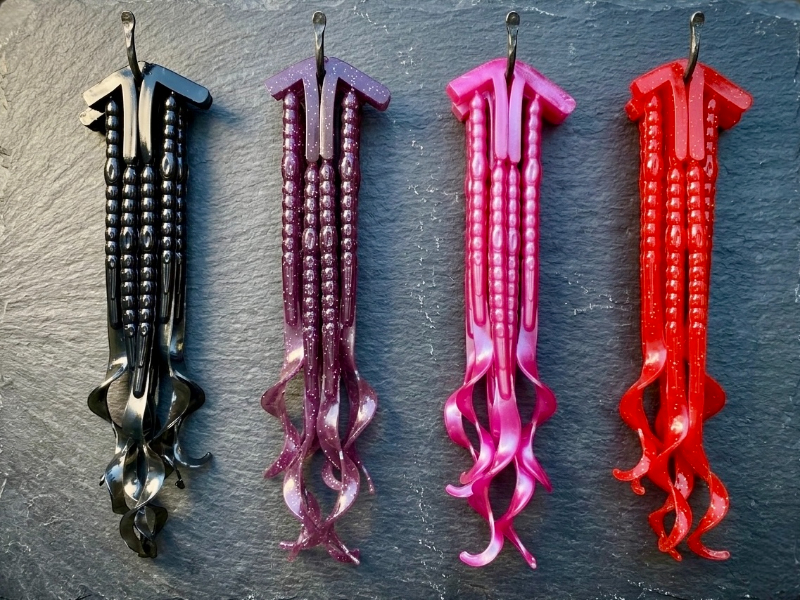
Few soft plastic baits have stood the test of time like the ribbon tail worm. It has been catching largemouth bass for decades, and it is still one of the most reliable producers in modern bass fishing. Whether you are fishing pressured lakes, grass-filled ponds, or deep offshore structure, understanding how and when to fish a Ribbon Tail Worm can dramatically improve your consistency throughout the year.
This article breaks down seasonal timing, proven techniques, and smart color selection so you can confidently fish a ribbon tail worm any month of the year. We will also highlight two standout options, the 10” Ribbon Tail Sr. and the 7.5” Ribbon Tail Jr. from Red Angle Fishing, which cover nearly every largemouth bass situation you will encounter.
How and When to Fish a Ribbon Tail Worm for Largemouth Bass
The ribbon tail worm shines because of one key feature: movement. The long, flowing tail displaces water even at slow speeds, which makes it deadly when bass are lethargic or pressured. Unlike straight tail worms, the ribbon tail creates vibration without aggressive rod action.
Knowing how and when to fish a Ribbon Tail Worm starts with understanding bass behavior. Largemouth bass feed differently as water temperatures change. A ribbon tail worm can be adapted to match those seasonal moods.
Spring Strategies: How and When to Fish a Ribbon Tail Worm as Bass Move Shallow
Spring is one of the best times of year to fish a ribbon tail worm. As water temperatures climb into the 50s and 60s, largemouth bass begin staging and eventually move shallow to spawn.
Early spring calls for patience. Bass are still sluggish. A ribbon tail worm rigged Texas-style and crawled slowly along the bottom is extremely effective. The tail moves with very little effort, which keeps the bait working even when you barely move it.
During the pre-spawn, focus on transition areas. Channel swings, secondary points, and the first drop outside spawning flats are prime. This is where the 10” Ribbon Tail Sr. excels. Its larger profile appeals to pre-spawn females looking for a substantial meal.
As bass move onto beds, downsizing can be the key. The 7.5” Ribbon Tail Jr. offers a more subtle presentation while still providing tail action. Pitch it to visible cover like stumps, reeds, and docks. Let it sit, shake it lightly, then move it just a few inches.
Spring water clarity can vary. In stained water, darker colors with contrast work best. In clear water, natural hues shine.
Summer Tactics: How and When to Fish a Ribbon Tail Worm in the Heat
Summer fishing can be feast or famine. Bass either feed aggressively early and late, or they burrow into cover during the heat of the day. This is where a ribbon tail worm becomes a go-to bait.
Early morning and evening call for movement. A ribbon tail worm can be swum slowly along grass lines or worked on a light Texas rig through shallow cover. The tail pulses even on a steady retrieve, which triggers reaction bites.
Midday requires a different mindset. Bass seek shade and depth. Flip or pitch the 10” Ribbon Tail Sr. into thick cover like hydrilla, laydowns, or brush piles. A heavier weight helps punch through vegetation and get the bait down quickly.
Dragging a ribbon tail worm offshore is another deadly summer pattern. Target ledges, humps, and points in deeper water. Let the bait settle, then drag it with the rod tip. Pause often. Many bites come when the worm is motionless.
Summer bass often want bigger meals. This is when the larger ribbon tail profile truly shines.
Fall Patterns: How and When to Fish a Ribbon Tail Worm During the Bite Window
Fall fishing is all about timing. Largemouth bass feed heavily, but not always predictably. They chase baitfish, then suddenly shut down. A ribbon tail worm bridges that gap.
When bass are aggressive, fish the worm faster. Hop it along the bottom or swim it near bait schools. The tail adds flash and vibration that mimics injured prey.
As water cools, bass often move shallow again. Target flats near deeper water, especially where baitfish are present. The 7.5” Ribbon Tail Jr. is an excellent choice here because it looks less intimidating and matches smaller forage.
Fall water is often clearer. Natural colors like green pumpkin, watermelon, and subtle laminates are hard to beat. On cloudy or windy days, add contrast with darker backs or a hint of chartreuse in the tail.
Winter Techniques: How and When to Fish a Ribbon Tail Worm Slowly
Many anglers put ribbon tail worms away in winter. That is a mistake. While bass metabolism slows, they still feed, and slow-moving baits excel.
In cold water, less is more. Use a lighter weight and fish the worm painfully slow. Let it sit for long pauses. The ribbon tail continues to move with minimal current or rod movement.
Deep structure is key. Target creek channels, deep points, and ledges. A Texas rig or subtle Carolina rig allows the worm to glide naturally along the bottom.
Darker colors tend to perform better in winter, especially in low-light conditions. Black, junebug, and dark purple create strong silhouettes that bass can see easily.
Proven Techniques to Fish a Ribbon Tail Worm
A ribbon tail worm is versatile. Here are several proven techniques every largemouth bass angler should master.
Texas Rig Fishing
The most common and effective method. Weedless and adaptable, it works in almost any cover or depth.
Carolina Rig Fishing
Excellent for covering water offshore. The leader allows the worm to float and move freely behind the weight.
Weightless Rig Fishing
Perfect for shallow water and pressured fish. Let the worm glide naturally and watch your line closely.
Shaky Head Fishing
Best with the 7.5” Ribbon Tail Jr. Ideal for finesse situations when bass want subtle movement.
Punching Heavy Cover Fishing
Use the 10” Ribbon Tail Sr. with a heavy weight to reach bass buried in vegetation.
Choosing the Right Color for Water, Weather, and Season
Color selection matters more than many anglers admit. The goal is visibility and confidence.
Clear Water Fishing
Use natural colors. Green pumpkin, watermelon red, and subtle laminates excel.
Stained Water Fishing
Go darker. Junebug, black blue, and plum stand out better.
Muddy Water Fishing
High contrast is key. Black, black blue, and dark purple help bass locate the bait.
Sunny Days Fishing
Natural and translucent colors work best. Bass can see well, so subtlety pays off.
Cloudy Days Fishing
Darker colors create a stronger silhouette. This makes the worm easier for bass to track.
Seasonally, brighter colors often excel in warmer water, while darker hues dominate in colder months.
Final Thoughts on How and When to Fish a Ribbon Tail Worm
Learning how and when to fish a tibbon tail worm gives you a bait that works year-round. From cold winter ledges to shallow spring flats, it consistently produces largemouth bass.
The 10” Ribbon Tail Sr. and 7.5” Ribbon Tail Jr. from Red Angle Fishing provide size options that match any condition. Whether you need a big profile to tempt a giant female bass or a smaller presentation to fool pressured fish, these ribbon tail worms cover the full spectrum.
If you want a soft plastic that adapts to seasons, techniques, and conditions, the ribbon tail worm deserves a permanent spot in your tackle box. Master it, trust it, and let it catch fish when other baits fail.