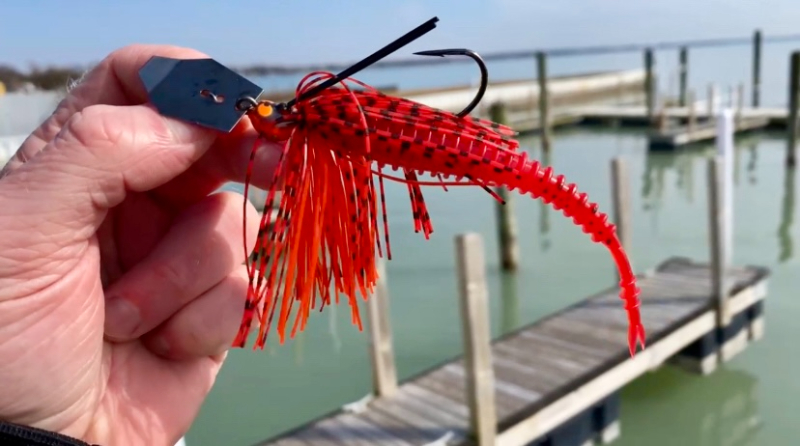
How to fish a chatterbait in different waters & seasons is one of those topics that every serious bass angler should understand inside and out. The chatterbait is one of the most versatile moving baits ever created, but it only reaches its full potential when it is fished correctly for the water you are on and the season you are in. This guide breaks everything down in a clear, practical way so you can catch more fish instead of just covering water.
Throughout this article, you will see why how to fish a chatterbait in different waters & seasons matters so much, how to adjust retrieves, and how to trigger bites when conditions are tough. Whether you are fishing shallow grass, deep water, or changing seasons, this approach will help you fish a chatterbait with confidence.
Why the Chatterbait is So Effective
A chatterbait combines vibration, flash, and profile in a way few lures can. The metal blade creates a hard thumping vibration that bass can feel from a distance. At the same time, the skirt and trailer give it a natural baitfish or bluegill look.
The biggest mistake anglers make with a chatterbait is fishing it the same way everywhere. Bass behavior changes based on water type and season. Your retrieve speed, rod angle, and even where you position your boat should change, too.
Fishing a Chatterbait in Clear Water
Clear water can intimidate anglers, but a chatterbait can still shine here if fished correctly.
In clear water, bass rely more on sight than vibration. This means your chatterbait presentation needs to look natural. Use more subtle colors like white, shad patterns, or translucent hues. Natural trailers that match local forage are key. View chatterbait trailers by Red Angle Fishing.
When reeling a chatterbait in clear water, focus on a steady retrieve. Keep your rod tip slightly down and reel just fast enough to keep the blade vibrating. Avoid burning it unless fish are actively chasing bait.
A great technique is the slow roll. Cast past your target and let the bait sink a little before starting your retrieve. Reel slowly and keep the bait just above grass or structure. If you hit something, briefly pause and then continue reeling. That change in speed often triggers strikes.
Long casts matter in clear water. The farther your bait is from the boat, the more natural it appears. Light fluorocarbon or braid with a fluorocarbon leader can help maintain sensitivity without spooking fish.
Fishing a Chatterbait in Stained Water
Stained water is where a chatterbait really starts to shine.
Bass in stained water rely heavily on vibration and contrast. This allows you to use darker or brighter colors like chartreuse, white and chartreuse, or black and blue.
When fishing a chatterbait in stained water, your retrieve can be more aggressive. Start with a medium retrieve and let the blade do the work. Keep your rod tip up slightly so the bait runs higher in the water column.
Deflection is critical here. Try to make contact with wood, rock, or grass whenever possible. When the chatterbait hits something and changes direction, bass react instinctively.
If bites are short, add occasional rod twitches during your retrieve. This causes the bait to surge forward and flare the skirt. It often turns followers into biters.
Fishing a Chatterbait in Muddy Water
Muddy water is all about feel, not sight.
In these conditions, a chatterbait becomes a search bait that helps bass locate your lure through vibration alone. Use bold colors like black, black and blue, or chartreuse and black.
When reeling a chatterbait in muddy water, slow down. A slower retrieve allows the blade to thump consistently and gives bass more time to track the bait. Keep your rod tip up and maintain constant vibration.
Target shallow water. Bass move shallow in muddy conditions because light penetration is low. Focus on banks, laydowns, and shallow grass.
One key technique is the stop-and-go retrieve. Reel the bait for a few feet, stop briefly, then start again. That sudden change can help bass zero in on your chatterbait.
Fishing a Chatterbait Around Grass
Grass is one of the best places to throw a chatterbait.
The goal is to keep the bait ticking the top of the grass without burying in it. Use a rod with enough backbone to rip the bait free when it hangs.
When your chatterbait catches grass, snap your rod tip to free it. Many strikes happen immediately after the bait pops loose. Bass react to that sudden burst of movement.
A steady retrieve works well here, but do not be afraid to change speeds. Speeding up slightly can help the bait rise above thicker grass. Slowing down keeps it in the strike zone longer in sparse grass.
Fishing a Chatterbait Around Wood and Hard Cover
Wood cover like stumps and laydowns can intimidate anglers, but chatterbaits can be very effective here.
Make accurate casts so your bait runs parallel to the cover. This keeps it in the strike zone longer. Use a slightly slower retrieve to maintain control.
If your chatterbait hits wood, do not jerk it immediately. Let it deflect naturally. That slight hesitation can cause bass to strike.
A compact trailer works best around wood. It helps the bait come through cover cleaner and reduces hang ups.
Fishing a Chatterbait in Spring
Spring is one of the best times to fish a chatterbait.
As water temperatures rise, bass move shallow and become aggressive. A chatterbait excels at covering water and locating active fish.
Early spring calls for a slower retrieve. Bass are still sluggish, so keep the bait near the bottom and move it steadily. Focus on flats, secondary points, and staging areas.
As spring progresses and fish move toward spawning areas, increase your retrieve speed slightly. Target shallow grass, docks, and bank transitions.
One effective spring technique is the yo yo retrieve. Lift your rod tip to raise the bait, then let it fall while maintaining tension. This mimics injured baitfish and triggers reaction strikes.
Fishing a Chatterbait in Summer
Summer chatterbait fishing depends on where the bass are positioned.
Early and late in the day, fish shallow. Use a faster retrieve and target grass lines, shade, and shallow cover. A white or bluegill colored chatterbait works well during low light.
During midday, bass often move deeper. You can still fish a chatterbait by slow rolling it along deeper grass edges or points. Use heavier weights to keep the bait down.
A key summer technique is waking the chatterbait just under the surface. Reel fast enough that the blade stays on top without breaking the surface. This can be deadly over submerged grass.
Fishing a Chatterbait in Fall
Fall is all about baitfish, and the chatterbait matches that perfectly.
Bass feed heavily in the fall and chase schools of shad. Use baitfish colors and focus on creeks, flats, and wind-blown banks.
Cover water quickly. A medium to fast retrieve helps you locate active fish. Once you get a bite, slow down and thoroughly fish the area.
In cooler fall water, mix in pauses. Reel a few turns, stop briefly, then continue. That erratic movement often triggers strikes from following bass.
Fishing a Chatterbait in Winter
Many anglers put chatterbaits away in winter, but they can still produce.
In cold water, slow everything down. Use a heavier chatterbait and crawl it along the bottom. The blade should barely thump.
Focus on deeper structure near shallow water. Bass want easy meals in winter. A slow-moving chatterbait that stays in their face can be effective.
Keep your rod tip low and reel slowly. If you feel the blade stop vibrating, speed up just enough to restart it. Subtle movement is the key.
Final Thoughts on How to Fish a Chatterbait in Different Waters & Seasons
Mastering how to fish a chatterbait in different waters & seasons is about understanding bass behavior and adjusting your approach. The chatterbait is not just a cast-and-reel lure. It is a tool that rewards anglers who pay attention to water clarity, cover, and seasonal patterns.
By learning when to slow down, when to speed up, and how to trigger reaction strikes, you can turn the chatterbait into one of your most reliable producers. Whether you are fishing clear water in spring or muddy water in summer, the principles in this guide will help you fish smarter and catch more bass.
If you truly want to become consistent with this bait, revisit How to fish a chatterbait in different waters & seasons often. Each trip on the water will reinforce these techniques and help you dial in what works best where you fish.